Global Energy Storage Market Shows Clear Regional Demand Differentiation, with Differentiated System Solutions Becoming a Competitive Trend

Global Energy Storage Market Shows Clear Regional Demand Differentiation, with Differentiated System Solutions Becoming a Competitive Trend

The global energy storage market is presenting a pattern of differentiated development in various regions. Energy storage application demands driven by different policy environments, grid structures, and energy resource endowments vary significantly. In some regions, residential energy storage has become a rigid demand for household users due to the mismatch between the volatility of electricity prices and the output of distributed photovoltaic systems. In other regions, large-scale energy storage configurations are a key means to ensure grid stability due to the high proportion of renewable energy installed capacity. This differentiated demand pattern is shaping the development directions and competitive landscapes of energy storage markets in different regions.

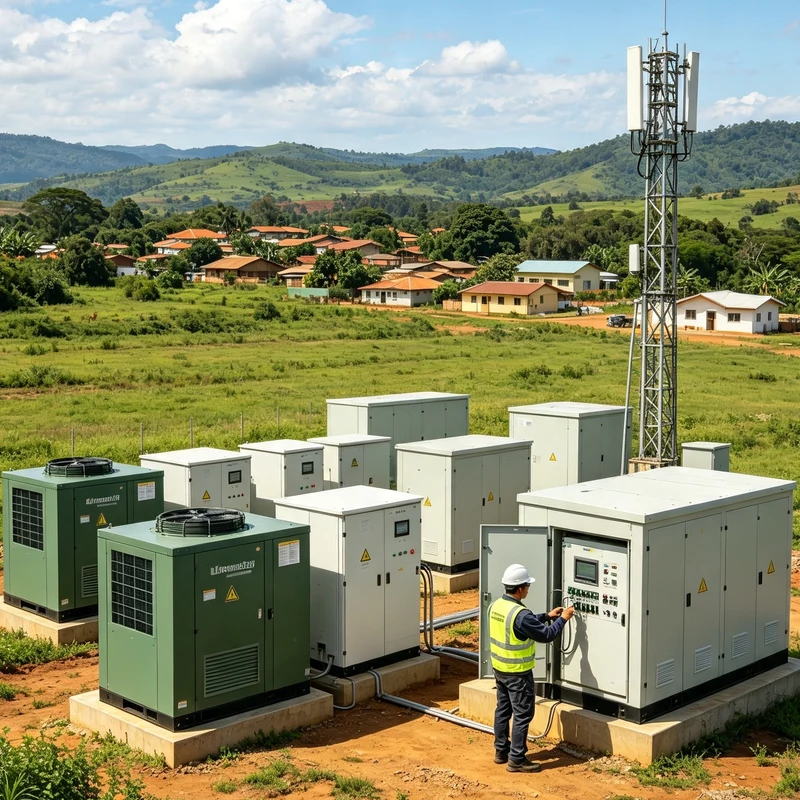
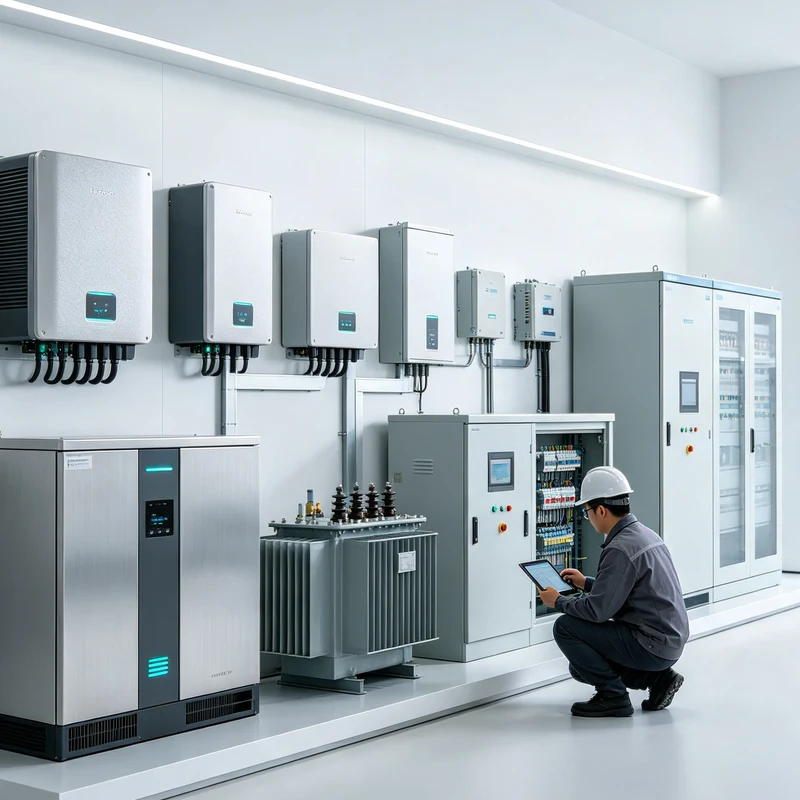
In regions with a high proportion of distributed photovoltaics, household energy storage systems need to have high compatibility, safety, and ease of use to meet the electricity consumption needs of ordinary households. Such systems often need to be integrated with existing photovoltaic systems and support multiple operating modes to cope with changes in grid electricity prices and the uncertainty of photovoltaic power generation. In commercial and industrial scenarios, the demand for energy storage focuses more on the economic benefits of peak shaving and valley filling as well as the reliable supply of backup power. In areas with poor grid infrastructure, off-grid photovoltaic power stations and microgrid systems have become an effective means of solving basic electricity needs. These systems require higher reliability and stronger environmental adaptability to cope with the challenges of remote areas and harsh climates.

As the global energy storage market continues to expand, the ability of system integrators to provide differentiated solutions based on the characteristics of different regions and the actual needs of users has become a key factor in determining their competitiveness. This not only requires a deep understanding of local policies, power market rules, and user habits but also a flexible combination of various technology routes and product forms. In the future, the competition in the energy storage market will be not only about product performance and prices but also about the ability to provide customized solutions in response to the diverse needs of regional markets.