
Photovoltaic Module Technology Sees Diversified Development, with Equal Emphasis on Efficiency and Reliability

Photovoltaic Module Technology Sees Diversified Development, with Equal Emphasis on Efficiency and Reliability

The photovoltaic industry is currently in a critical period of multiple technological routes coexisting and competing. Differentiated application scenarios and regional climatic conditions are driving the continuous enrichment of photovoltaic module technology. In recent years, with continuous breakthroughs in cell structure design and mass-production processes, the conversion efficiency limits of various technical routes have been repeatedly refreshed. In this process, the reliability and long-term power generation performance of modules have also received unprecedented attention, becoming important indicators for evaluating the comprehensive competitiveness of products. The photovoltaic market is no longer a simple competition over efficiency numbers but has evolved into a multidimensional competition in terms of performance, quality, and adaptability.

In the actual operation of photovoltaic power stations, the power generation performance of modules is affected by a combination of factors, including light conditions, ambient temperature, and spectral response. The advantages and disadvantages of different technology routes in terms of temperature coefficients and weak-light response directly affect the actual power generation of power stations. In regions with high ambient temperatures and strong irradiance, modules with better temperature characteristics are able to maintain higher output performance, which has a significant impact on the overall return on investment of the power station. In addition, the attenuation rate of modules is also a key indicator for measuring their long-term reliability. In recent years, many leading manufacturers have promoted the long-term reliability and sustainability of their products by optimizing material formulations and improving packaging processes. The rapid development of the industry has also accelerated the maturity of related testing and certification standards, providing clearer quality benchmarks for the market.

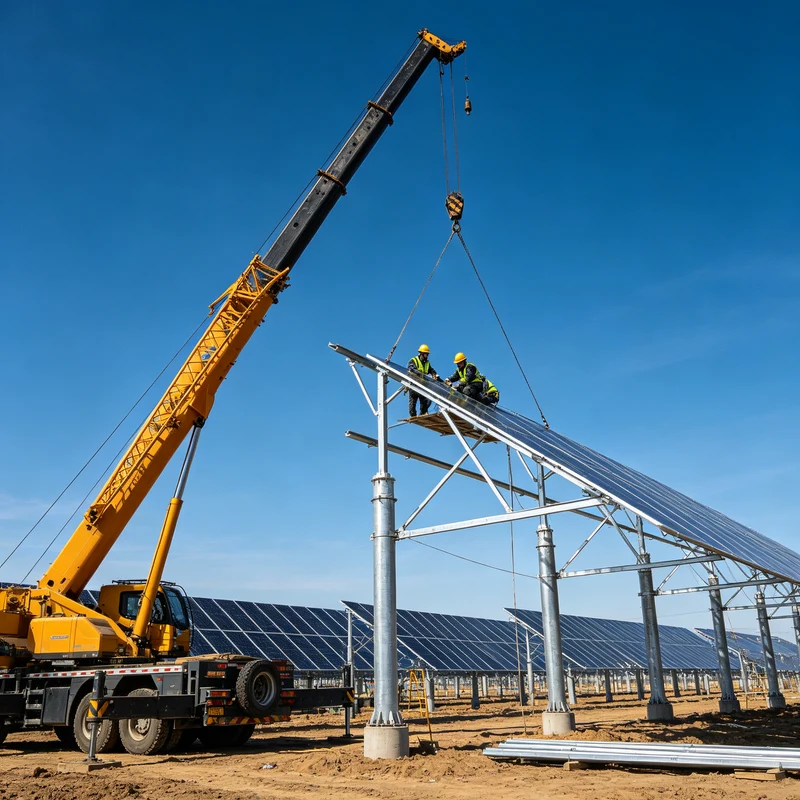
With the continuous expansion of the global photovoltaic application market, the performance requirements of modules in different application scenarios are becoming increasingly refined. For example, distributed photovoltaic projects have stricter requirements for module aesthetics, size, and load-bearing capacity, while ground-mounted power plants pay more attention to the cost-effectiveness and long-term stability of modules. BIPV application scenarios require modules to have both power generation functionality and building material performance. The diversified development of these market demands is driving photovoltaic module technology towards higher efficiency, stronger reliability, and more scenario-specific directions, injecting new vitality into the healthy development of the industry.